
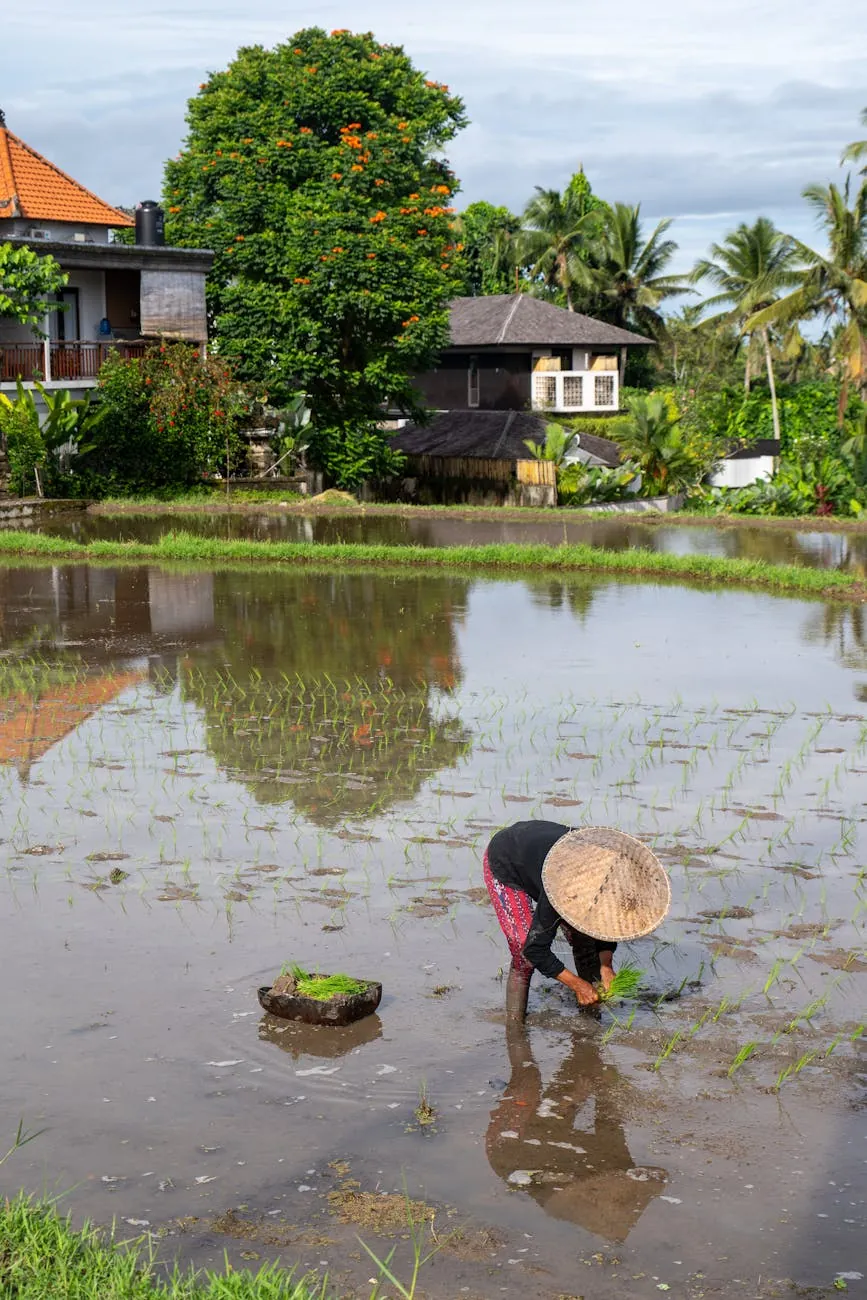
Ubud is one of Bali’s most popular destinations, known for its lush rice terraces, ancient temples, tropical landscapes, and rich cultural heritage. While Ubud can be visited throughout the year, choosing the right season can greatly enhance your experience.
Whether you’re planning to explore rice fields, visit temples, hike scenic trails, or discover traditional Balinese culture, understanding Ubud’s climate and seasons will help you plan the perfect trip.
Understanding Ubud’s Climate
Unlike Bali’s coastal destinations, Ubud is located in the island’s central highlands.
This means Ubud generally experiences:
- Slightly cooler temperatures
- Higher humidity
- More rainfall than coastal areas
- Lush green landscapes year-round
Average temperatures typically range between:
- 22°C to 30°C (72°F to 86°F)
Bali experiences two main seasons:
Dry Season
April to October
Rainy Season
November to March
Each season offers unique advantages depending on your travel style.
Dry Season (April to October)
The dry season is widely considered the best time to visit Ubud.
During these months, visitors can enjoy:
- Sunny weather
- Lower humidity
- Better hiking conditions
- Clearer views of rice terraces
- Easier access to outdoor attractions
This is the ideal season for exploring Ubud’s natural and cultural landmarks.
Why Visit During the Dry Season?
Many of Ubud’s attractions are outdoors, including:
- Tegalalang Rice Terrace
- Campuhan Ridge Walk
- Sacred Monkey Forest
- Tirta Empul Temple
- Goa Gajah
The dry season provides comfortable conditions for sightseeing and photography.
Best Months to Visit Ubud
May and June
Many travelers consider May and June the best months to visit Ubud.
Benefits include:
- Excellent weather
- Lush green scenery
- Smaller crowds than peak season
- Ideal conditions for outdoor activities
July and August
These months offer some of the best weather of the year.
However, they are also the busiest months in Bali.
Expect:
- More visitors
- Higher accommodation demand
- Popular attractions becoming crowded
September and October
Another excellent period for visiting Ubud.
Travelers can enjoy:
- Pleasant temperatures
- Good weather
- Fewer crowds than peak season
Rainy Season (November to March)
The rainy season transforms Ubud into one of Bali’s greenest destinations.
Frequent rainfall helps create the lush landscapes that Ubud is famous for.
Advantages of Visiting During the Rainy Season
- Fewer tourists
- More affordable accommodation
- Vibrant green rice fields
- Peaceful atmosphere
- Beautiful tropical scenery
Rain showers are often temporary and are usually followed by clear periods.
Peak Season vs Low Season
Peak Season
The busiest travel periods include:
- July and August
- Christmas holidays
- New Year period
Accommodation and attractions may be busier during these months.
Low Season
The quieter months generally include:
- January
- February
- November
Travelers often enjoy lower prices and a more relaxed atmosphere.
Best Time for Different Activities
Rice Terrace Visits
The rice terraces are beautiful year-round, but many visitors prefer May through September for easier walking conditions and clearer views.
Temple Visits
The dry season provides the most comfortable conditions for visiting temples and cultural attractions.
Hiking and Nature Walks
Trails such as Campuhan Ridge Walk are best explored during the dry season when paths are less muddy.
Photography
The dry season generally offers better lighting and clearer skies, while the rainy season provides dramatic landscapes and vibrant greenery.
When Should First-Time Visitors Go?
For first-time visitors, the best months to visit Ubud are:
- May
- June
- September
- October
These months offer the perfect balance of:
- Pleasant weather
- Manageable crowds
- Excellent sightseeing conditions
- Beautiful natural scenery
Travel Tips for Visiting Ubud
- Start sightseeing early to avoid crowds.
- Carry a light rain jacket during the rainy season.
- Wear comfortable walking shoes.
- Stay hydrated while exploring outdoor attractions.
- Allow extra time to enjoy villages, temples, and rice terraces.
Is Ubud Worth Visiting Year-Round?
Absolutely.
Each season offers a different perspective of Ubud:
Dry Season
Perfect for sightseeing, hiking, and photography.
Rainy Season
Ideal for travelers seeking lush landscapes, fewer crowds, and a more peaceful atmosphere.
No matter when you visit, Ubud’s cultural charm and natural beauty remain impressive throughout the year.
Final Thoughts
The best time to visit Ubud is generally during the dry season from April to October, when weather conditions are ideal for exploring temples, rice terraces, waterfalls, and cultural attractions.
For the perfect combination of good weather and manageable crowds, consider visiting during May, June, September, or October. These months provide some of the most enjoyable conditions for experiencing everything Ubud has to offer.